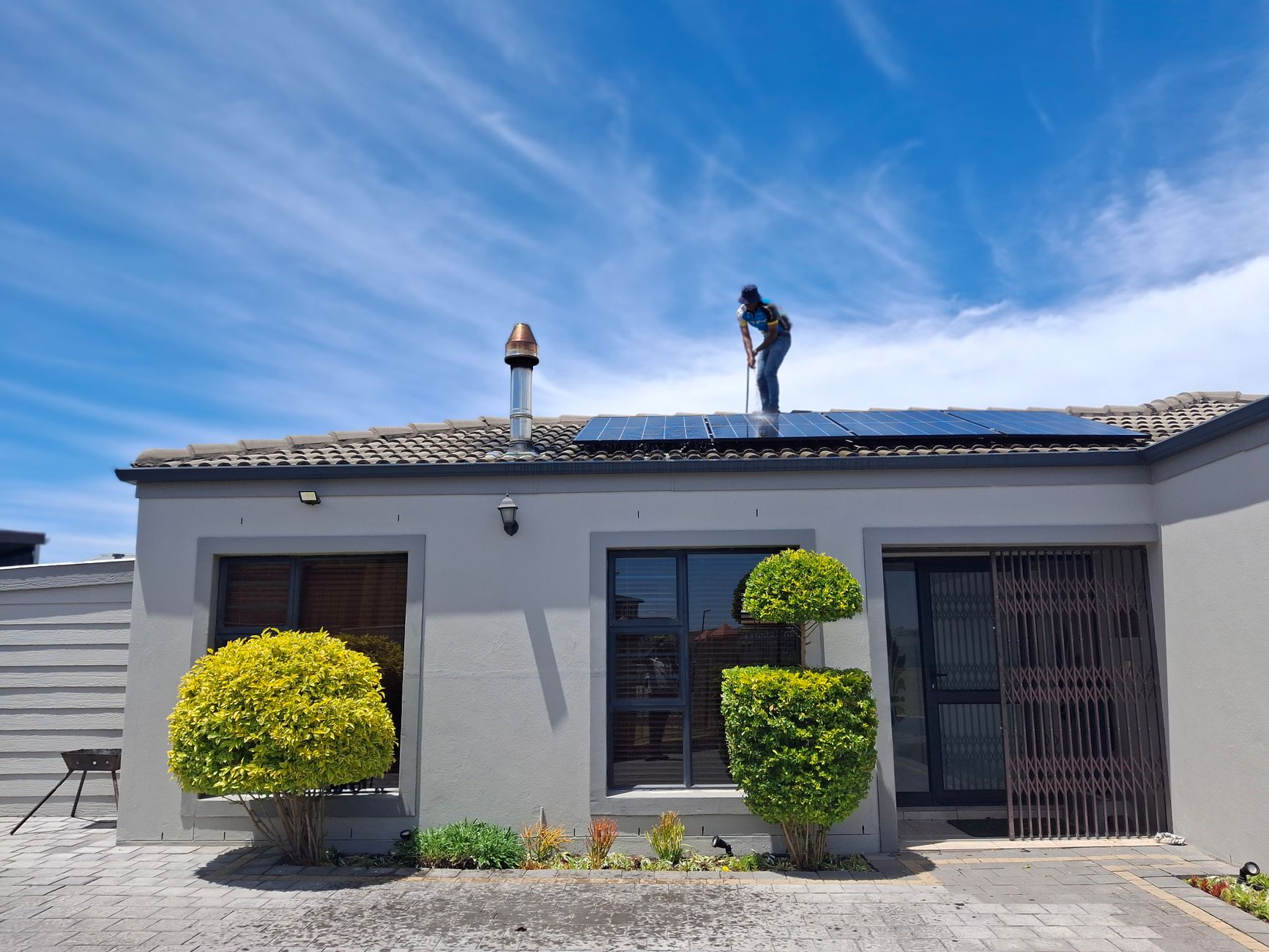
A solar project involves more than placing panels on a roof. Your installer needs to understand your home’s energy use, check whether the site suits solar, arrange approvals, and coordinate the work. After installation, inspections and utility steps may be needed before the system can operate. Knowing what happens at each stage makes it easier to prepare, ask useful questions, and understand what still needs to happen before you can monitor your system.
Planning and site assessment
The process usually starts with a conversation about your electricity use, goals, and property. Gather recent utility bills if available, and mention plans that could change demand, such as adding an electric vehicle or replacing a heating system. Your installer can use this information to discuss system size and explain how your usage patterns may affect the design.
A site assessment checks roof condition, available space, shading, and electrical equipment. The installer may take measurements and photos, then determine how panels and wiring could fit. Ask whether the roof needs repairs before work begins and what assumptions the proposal makes about production. A clear design should identify equipment, expected work, and any site conditions that could affect the final plan.
Design, approvals, and scheduling
Once you approve a proposal, the installer prepares detailed plans and handles the required applications. Depending on the property and local rules, approvals may involve the municipality, an electrical authority, or the utility. Ask who submits each application, which steps require your signature, and whether any fees or documents are your responsibility.
The project schedule depends on design reviews, equipment availability, approvals, and weather. Confirm how the installer will notify you of changes and whether you need to be home. Before the crew arrives, clear access to the work area, move vehicles away from equipment routes, and secure pets. Keep the agreed project documents handy so you can check the scope if questions come up.
Installation and inspection
On installation day, the crew typically sets up safety equipment, installs roof attachments and racking, mounts the panels, and connects the system to its electrical equipment. The exact sequence varies by design. There may be noise and temporary interruptions to power. Ask in advance how long the crew expects to be on site and how they will protect landscaping, roofing, and indoor areas.
After the physical work, required inspections and utility approval may still be outstanding. The crew should explain whether the system can be switched on immediately or must remain off until permission is granted. Do not turn on equipment or change electrical settings unless your installer or utility has told you it is safe and permitted. Ask who will arrange any corrections if an inspection identifies an issue.
Handoff and system monitoring
At handoff, review how to read the inverter or monitoring app, where to find system documentation, and whom to contact if an alert appears. Request the equipment manuals, warranty details, inspection records, and instructions for shutting down the system in an emergency. Make sure you understand which parts the installer supports and which questions should go to the equipment manufacturer or utility.
Ask the installer to show you what normal operation looks like and how to report a change in production. Solar output varies with daylight, weather, shading, and season, so a single low-output day does not necessarily indicate a fault. Keep the system details and service contact in a place you can find later. Vancouver Solar Works can walk customers through these steps and clarify what remains before activation.
A well-managed solar installation moves through assessment, design and approvals, construction, inspection, and a clear handoff. Before each stage, confirm what the installer will handle, what you need to do, and what must happen before the system operates. If you are considering solar for your home, contact an installer to discuss your property and the next practical step.