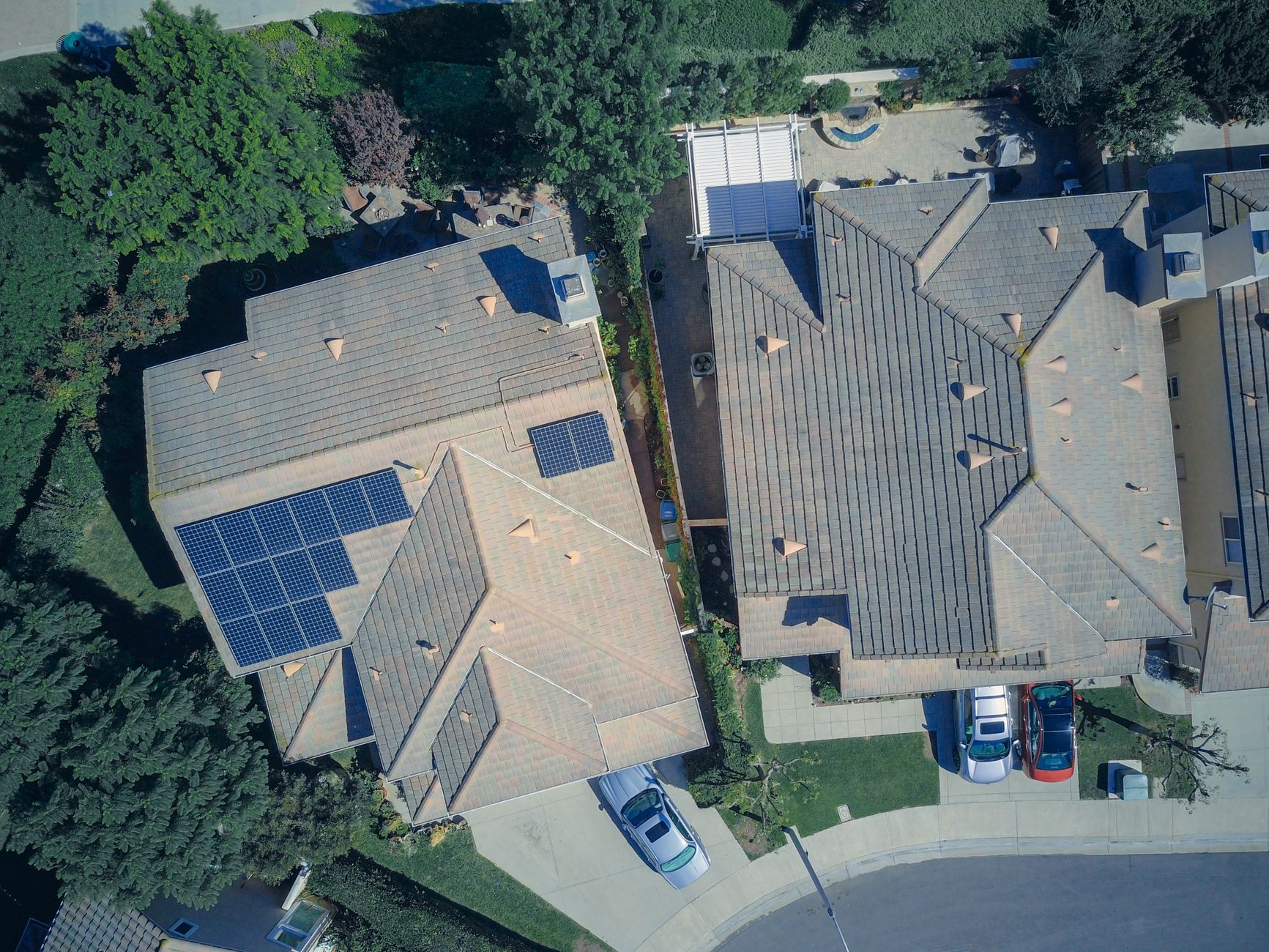
A roof does not need to be perfectly sunny or face one exact direction to be considered for solar. What matters is how its orientation, shade, condition, and usable area work together. In Vancouver, local weather and nearby trees or buildings can affect the amount of sunlight reaching a roof. A careful assessment helps clarify what may fit, whether any roof work should come first, and what information an installer needs before recommending a system.
Roof direction and slope
The direction a roof faces affects when its panels receive sunlight. South-facing roof areas often provide a useful starting point, while east- and west-facing sections can also be considered. North-facing areas may receive less direct sun, so their suitability depends on the roof, site conditions, and project goals. An installer can compare roof sections rather than treating the entire roof as one uniform surface.
Roof slope also influences panel placement and sunlight exposure. A roof does not have to match an ideal angle for solar to be possible; mounting options and panel layout can be assessed for the specific home. Share your address and any roof plans or past installation details with an installer so they can evaluate the actual site instead of relying on direction alone.
Shade through the day
Trees, chimneys, dormers, and neighboring buildings can cast shade on panels. The timing and extent matter: a shadow that reaches a roof section for part of the day may affect planning differently from persistent shade. Look at the roof at several times, but remember that seasonal changes can alter tree cover and the sun’s path.
Avoid trimming trees or removing equipment based on a quick estimate. Ask an installer to assess shade across the proposed panel area and discuss possible layouts. In some cases, panels can be placed on a less shaded roof section. If shade is widespread, a site assessment can help establish whether the available sunlight supports the project you have in mind.
Roof condition and future work
Solar panels are intended to remain in place for years, so the roof beneath them should be in suitable condition. If shingles, flashing, or other roofing materials are nearing the end of their service life, consider addressing repairs or replacement before installation. Coordinating roof work first can help avoid the expense and disruption of removing and reinstalling panels later.
An installer can review visible roof conditions, but a solar assessment is not always a substitute for a roofer’s inspection. Ask what the assessment covers and whether signs of damage require a separate roofing professional. Also mention any leaks, recent repairs, or planned renovations. Resolving those questions early makes it easier to develop a realistic installation plan.
Usable space and layout
The total roof area is not the same as the area available for panels. Skylights, vents, chimneys, roof edges, and access needs can limit placement. Different roof sections may also have different directions or shade conditions. An installer will map the usable areas and consider how panels can be arranged while keeping clearances and practical access in mind.
Gather a recent electricity bill and any drawings or records that show roof changes, if available. These details can help connect your household’s energy use with the roof space that can actually support panels. Vancouver Solar Works can assess these factors and explain what options may fit your property, without assuming that every roof needs the same design.
A suitable solar roof is a combination of good placement, manageable shade, sound roofing, and enough usable space—not a single ideal feature. An on-site assessment can turn those details into a clear plan and identify questions to resolve before installation. If you are considering solar, arrange a roof review and discuss your home’s energy use with a qualified local installer.